Earth, fire, air and water
Raku firing
Raku – a Japanese firing technique for ceramics – a play with the elements earth, fire, air and water. Every firing brings forth singular objects that cannot be repeated. Its origins reach back to the 17th century, when it served above all to make the tea bowls for the tea ceremony.
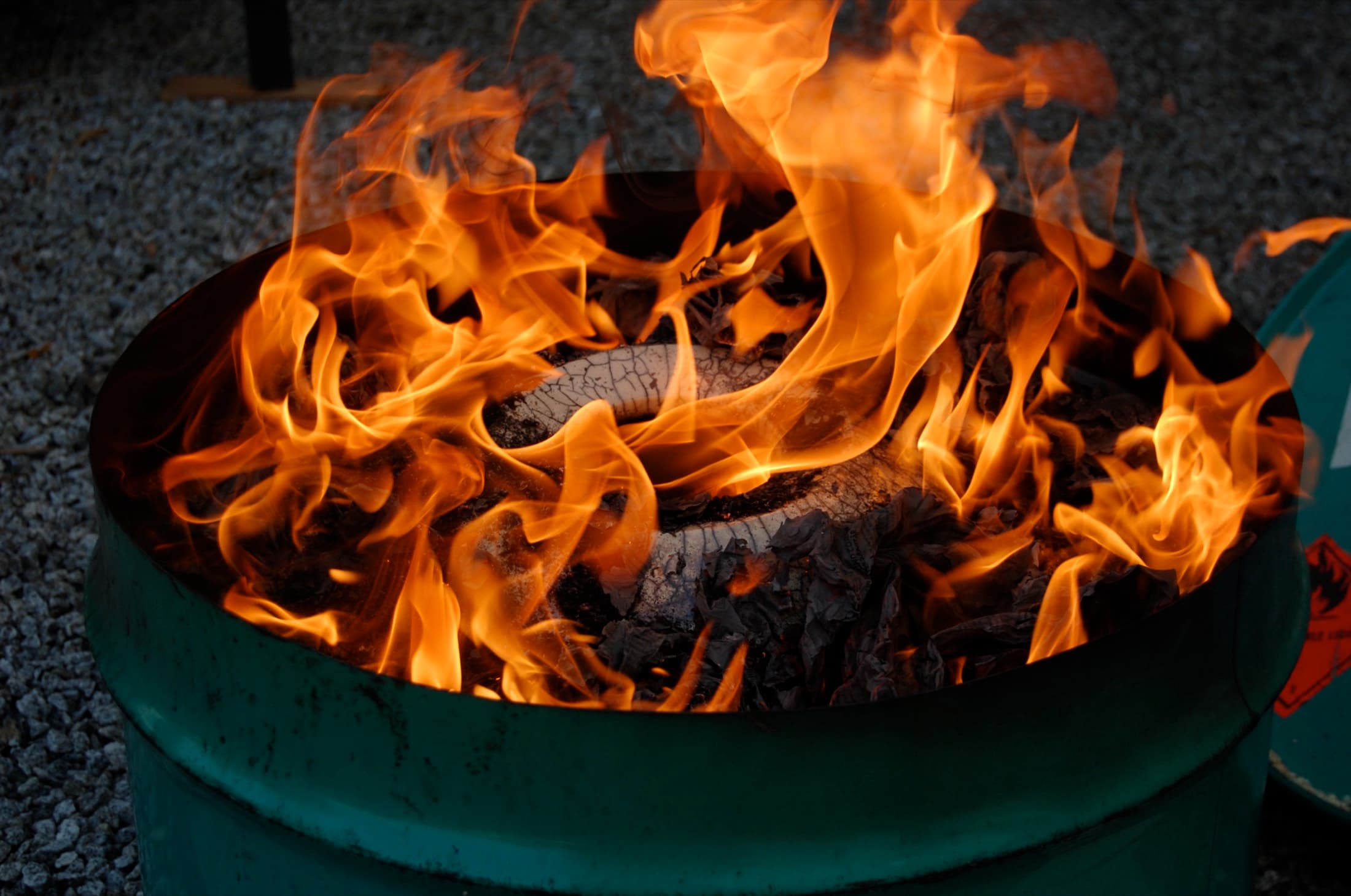
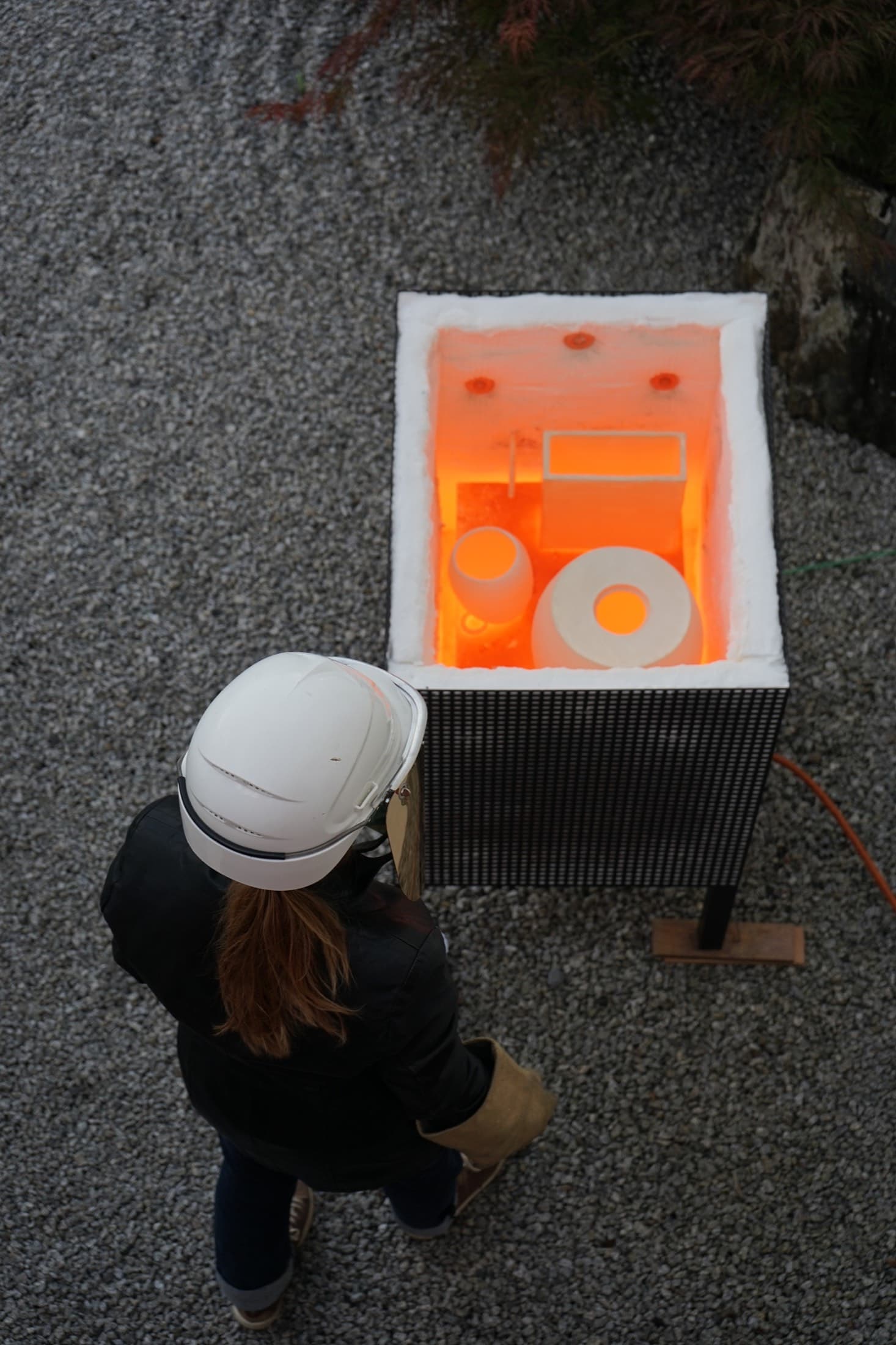
In the second firing, the raku firing proper, the piece is lifted glowing from the kiln at 1000 degrees Celsius with iron tongs, bedded in sawdust and smoked. The carbon of the fire blackens the unglazed areas and brings out the crackle in the glazes.
History and origin
The origin of raku
The origin of raku is closely bound up with Zen Buddhism and the tea ceremony in Japan. Senyno Rikyu, a courtly tea master of the 16th century, shaped this ceremony, which is still observed today. The low-fired tea bowls of the potter Tanaka Choijro (1516–1592) matched his ideas exactly and soon enjoyed the highest esteem. The potter was awarded a golden seal bearing the inscription “Raku” – meaning something like “Joy”, “Happiness” and “Serenity”.
The art of raku has been kept alive in Japan ever since. Only more than 300 years later did it become known, first in the USA (above all through Bernhard Leach). Since the nineteen-seventies European ceramicists too have increasingly been fascinated by this method. Part of it is the challenge of the natural simplicity this ceramic demands – and the appeal of leaving the result to chance.